Introduction
In today's fast-paced world, individuals are constantly seeking ways to find balance, heal their bodies, and calm their minds. One practice that has actually gotten significant appeal over the last few years is Reiki. But exactly what is Reiki? Where does it originate from? And how does it work? In this article, we will dive deep into the ancient origins of Reiki and trace its roots to Eastern customs. We will check out the history, techniques, and advantages of this powerful energy recovery modality. So relax, unwind, and prepare to embark on a journey of discovery as we unravel the mysteries of Reiki.
Unearthing the Ancient Origins of Reiki: Tracing its Roots to Eastern Traditions
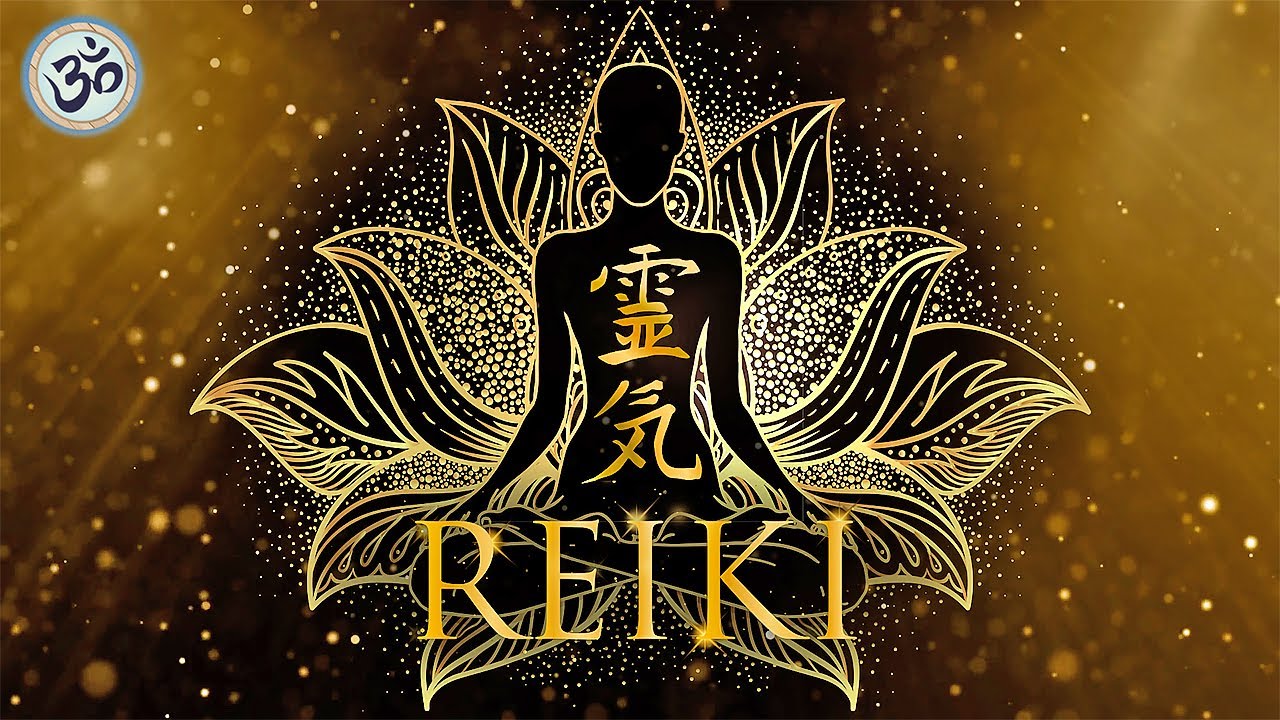
Reiki is a holistic recovery strategy that originated in Japan in the early 20th century. Nevertheless, its roots can be traced back much even more, to ancient Eastern traditions such as Buddhism and Taoism. The word "Reiki" itself is composed of 2 Japanese kanji characters - "Rei" indicating universal or spiritual knowledge, and "Ki" indicating life force energy. Together, they represent the idea of channeling universal life force energy for healing purposes.
The History of Reiki
The history of Reiki can be traced back to a Japanese Buddhist monk named Mikao Usui. Usui was born in 1865 and committed his life to the research study of ancient texts and spiritual practices. It is stated that after years of intense meditation and fasting on Mount Kurama, Usui experienced a profound spiritual awakening that led him to discover the recovery power of Reiki.
The Strategies of Reiki
At its core, Reiki is based upon the principle that there is a universal life force energy that streams through all living beings. This energy can become obstructed or depleted due to physical, emotional, or spiritual imbalances, causing disease or pain. Reiki specialists utilize specific hand positions to channel this energy and eliminate any clogs, permitting the body's natural healing mechanisms to kick in.
Reiki Hand Positions
The practice of Reiki involves putting the hands on or near the recipient's body in specific positions. These hand positions correspond to different energy centers or chakras in the body. By placing their hands on these locations, Reiki professionals can direct the circulation of energy and promote healing.
Here are some typical Reiki hand positions:
Crown Chakra: Placing the hands on the top of the head. Third Eye Chakra: Placing the hands on the forehead, in between the eyebrows. Throat Chakra: Putting the hands on the throat. Heart Chakra: Putting the hands on the chest, over the heart. Solar Plexus Chakra: Putting the hands on the stomach, just above the navel. Sacral Chakra: Placing the hands on the lower abdomen. Root Chakra: Putting the hands on the base of the spine.
These are simply a few examples of the numerous hand positions utilized in Reiki. Each position represents a particular area of the body and assists to assist in healing because specific region.
The Signs of Reiki
In addition to hand positions, Reiki also utilizes symbols as a method of focusing and intensifying energy. These symbols are originated from ancient Sanskrit and are stated to hold enormous power and significance. There are three main signs utilized in conventional Usui Reiki - Cho Ku Rei, Sei He Ki, and Hon Sha Ze Sho Nen.
Cho Ku Rei
Cho Ku Rei is frequently described as the "power symbol" and is used to increase or decrease the flow of energy. It is commonly drawn in a spiral shape and is believed to magnify the healing results of Reiki.
Sei He Ki
Sei He Ki is known as the "mental/emotional sign" and is used to attend to emotional or psychological problems. It is thought to promote balance, harmony, and inner peace.
Hon Sha Ze Sho Nen
Hon Sha Ze Sho Nen is the "range healing sign" and is used to send out Reiki energy throughout time and space. It enables professionals to connect with customers who are not physically present and send out healing energy to Cho Ku Rei them remotely.
The Advantages of Reiki
Reiki uses a wide variety of advantages for both physical and psychological well-being. A few of the crucial benefits consist of:
Stress Reduction: Reiki helps to promote relaxation, lower stress and anxiety, and ease stress. Pain Relief: Reiki can supply remedy for chronic discomfort and discomfort by resolving the source of the issue. Improved Sleep: Lots of people report enhanced sleep quality after receiving Reiki treatments. Enhanced Mental Clarity: Reiki can assist clear psychological fog, enhance focus, and boost overall cognitive function. Emotional Healing: Reiki can assist in launching psychological obstructions, promoting emotional healing, and promoting a sense of inner peace. Boosted Immune System: By balancing the body's energy, Reiki can strengthen the immune system and support general health.Reiki Levels: From Newbie to Master
Reiki training is typically divided into different levels or degrees, each providing a deeper understanding and connection to the practice. The most typical levels of Reiki are Level 1 (also referred to as First Degree) and Level 2 (Second Degree). These levels lay the structure for ending up being a qualified Reiki practitioner.
Reiki Level 1
During Level 1 training, trainees discover the fundamentals of Reiki, including the hand positions and symbols. They get attunements from a Reiki Master, which open their energy channels and allow them to connect with the universal life force energy.
Reiki Level 2
Level 2 builds on the structure of Level 1 and introduces trainees to the three spiritual signs of Reiki. They find out how to utilize these symbols to enhance their healing capabilities and carry out distance healing.
Energy Healing: Exploring the Science behind Reiki
While Reiki is often thought about a spiritual practice, there is likewise a scientific basis behind its effectiveness. Various research studies have actually shown that energy recovery methods like Reiki can have effective results on the body and mind.
How Does Reiki Work?
Reiki works by balancing and balancing the body's energy systems. It promotes a state of deep relaxation, allowing the body to activate its natural recovery mechanisms. The gentle touch and favorable intention utilized in Reiki assistance to launch tension, decrease tension, and restore balance.
The Science behind Energy Healing
Energy healing practices like Reiki are based upon the principle that whatever in deep space is made up of energy. This energy can be manipulated and directed to promote recovery and well-being. While more research is needed to totally comprehend how energy recovery works, research studies have shown promising lead to locations such as pain management, stress decrease, and enhanced immune function.
Frequently Asked Concerns about Reiki
Q: What is the history of Reiki?
A: Reiki came from Japan in the early 20th century Basic Self-Treatment however has roots in ancient Eastern customs such as Buddhism and Taoism.
Q: How does Reiki work?
A: Reiki works by channeling universal life force energy through specific hand positions and signs to remove clogs and promote healing.
Q: What are the benefits of receiving Reiki treatments?

A: Some of the advantages of Reiki consist of stress decrease, discomfort relief, enhanced sleep, boosted mental clearness, psychological healing, and an increased immune system.
Q: Can anyone discover Reiki?
A: Yes, anybody can discover Reiki. Training is normally divided into various levels, with Level 1 and Level 2 being the most common.
Q: Is there scientific evidence to support the effectiveness of Reiki?
A: While more research study is required, research studies have revealed appealing results in areas such as pain management, tension reduction, and enhanced immune function.
Q: How can I discover a certified Reiki practitioner?
A: To find a qualified Reiki practitioner, you can request suggestions from pals or family or search online directory sites for accredited practitioners in your area.
Conclusion
As we bring this journey of unearthing the ancient origins of Reiki to a close, one thing becomes generously clear - Reiki is not just a passing pattern or brand-new age fad. It is a powerful recovery modality deeply rooted in Eastern traditions and backed by centuries of wisdom. Whether you are seeking physical healing, psychological balance, or spiritual development, Reiki offers a path to self-discovery and change. So why not embrace the ancient knowledge of Reiki and start your own journey of recovery and enlightenment? Remember, the power to heal lies within you-- all you require to do is tap into it.